Voyage Tech Blogs

Voyage Technology has been serving the Beaver Dam area since 1999, providing IT Support such as technical helpdesk support, computer support, and consulting to small and medium-sized businesses.

Tip of the Week: How to Set Up Multi-Factor Authentication for Office 365

b2ap3_thumbnail_office_365_multi_factor_400.jpgHackers are growing bolder by the day, taking on huge organizations like the IRS and Sony Entertainment, and forcing businesses to stay on the defensive at all times. In spite of this, what can the average small business do to keep themselves safe? For starters, you can integrate multi-factor authentication, a solution designed to make it extra difficult for hackers to access online accounts.

Better yet, it’s super easy to setup multi-factor authentication of your Office 365 account, and all accounts associated with your company. Follow these steps and you’ll be done before you know it.

First, you’ll want to log into the Office 365 Portal with your administrator credentials. Then, click on the users and groups tab.

From here, go to the Setup link, located to the right of Set Multi-factor authentication requirements.

This will show a display featuring all of the usernames associated with your Office 365 account. Select the box to the left of the user that you’ll be applying multi-factor authentication to. Then, go to the information box to the right of the user and select Enable, located under quick steps.

A box should open called About enabling multi-factor auth. Make sure you check out these links if you need more information concerning multi-factor authentication. When you’re ready to proceed, all you have to do is click enable multi-factor auth.
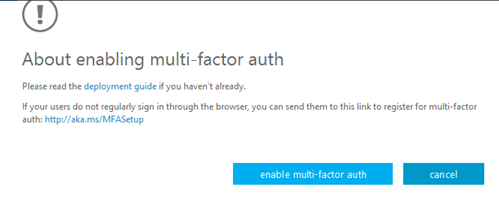
ib auth 1Office 365 will inform you that your settings have been applied. You can click close to end the process.

Now that you’ve finished the setup process for multi-factor authentication in the administrator settings, users will be asked to make certain changes to their accounts the next time they log in. After the initial login process, a user will need to verify their identity and set up multi-factor authentication on the user-end.
ib auth 2

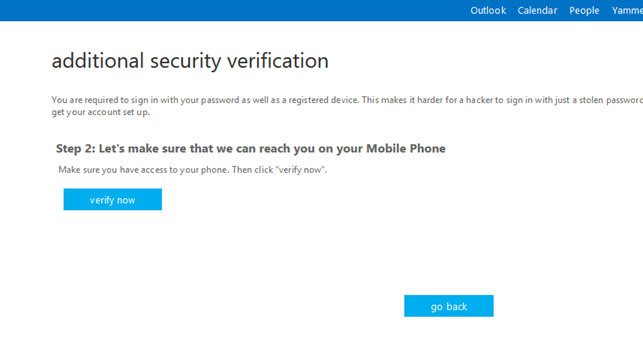
The user will be required to select which MFA method they prefer, like their mobile phone number, so they can receive a call or SMS messages from Microsoft. After entering the preferred phone number, click verify.

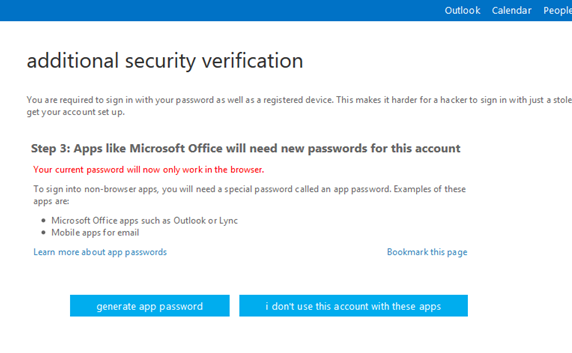
Next, Microsoft will contact your phone with a unique code that you will enter in order to verify the number. Depending on if you’re using a browser-based MFA setup, you may be asked to change your password too (it’s a best practice to regularly adopt new passwords).
ib auth 3

After creating and implementing a new password, multi-factor authentication will be set up for all the Office 365 accounts that you desire to have an extra layer of protection for.

For more information about multi-factor authentication, and how you can take advantage of similar services for all of your online accounts, give Voyage Technology a call at 800.618.9844.


Comments

No comments made yet. Be the first to submit a comment
Already Registered? Login Here
Guest
Sunday, 22 March 2026

Captcha Image

Sign Up For Our Newsletter!

Mobile? Grab this Article!

Qr Code

Tag Cloud

Security Technology Tip of the Week Best Practices Data Business Computing Business Productivity Software Innovation Cloud Hackers Efficiency Hardware Network Security User Tips Internet IT Services Malware IT Support Workplace Tips Privacy Email Computer Phishing Google Workplace Strategy Hosted Solutions Collaboration Small Business Users Backup Managed Service Ransomware Mobile Device Productivity Microsoft Passwords Quick Tips Saving Money Communication AI Cybersecurity Data Backup Smartphone Data Recovery Disaster Recovery Android VoIP Upgrade Business Management Smartphones Mobile Devices communications Windows Browser Social Media Microsoft Office Managed IT Services Network Current Events Tech Term Remote Internet of Things Facebook Miscellaneous Information Holiday Artificial Intelligence Automation Compliance Gadgets Cloud Computing Covid-19 Training Outsourced IT Server Remote Work Managed Service Provider IT Support Encryption Spam Employee/Employer Relationship Office Windows 10 Government Business Continuity Data Management Virtualization Wi-Fi Blockchain Bandwidth Business Technology Windows 10 Managed Services Apps Data Security Two-factor Authentication Vendor Mobile Office WiFi Voice over Internet Protocol App Networking Employer-Employee Relationship BYOD Chrome Mobile Device Management Budget Gmail Tip of the week Apple Conferencing Managed IT Services How To Computing BDR Information Technology Hacker HIPAA Avoiding Downtime Physical Security Office 365 Applications Marketing Access Control Retail Big Data Healthcare Operating System Risk Management Computers Router Analytics Website Office Tips Virtual Private Network Augmented Reality Health 2FA Storage Password Help Desk Bring Your Own Device The Internet of Things Remote Workers Managed IT Service Telephone Going Green Scam Social Data loss Cooperation Free Resource Cybercrime Project Management Windows 7 Customer Service Patch Management Save Money Microsoft 365 Remote Monitoring Vulnerability End of Support Vendor Management Solutions Display Printer Paperless Office Windows 11 Infrastructure Monitoring Firewall Excel Document Management Maintenance Antivirus Downloads iPhone Licensing Settings Printing Entertainment Wireless Vulnerabilities Content Filtering Data Privacy Customer Relationship Management Images 101 YouTube Cryptocurrency Telephone System Multi-Factor Authentication Robot Mobility Hacking Cost Management Presentation Virtual Desktop Wireless Technology IT Management Data storage LiFi VPN Employees Meetings Integration Outlook User Tip Modem Computer Repair Mobile Security Money Processor Word Humor Holidays Data Storage Sports Smart Technology Supply Chain Mouse Video Conferencing Machine Learning Managed Services Provider Safety Saving Time Virtual Machines Professional Services Administration Best Practice Server Management Regulations Compliance Private Cloud Identity Evernote Paperless Superfish Bookmark Buisness Identity Theft Smart Tech Memes Co-managed IT Twitter Alerts SQL Server Technology Care Legal IT solutions Download Net Neutrality Business Growth Financial Data Error History Business Communications Browsers Smartwatch Application Connectivity IT Social Engineering Break Fix Scams Cortana Remote Computing Azure Hybrid Work Upload Procurement Alt Codes IBM Social Network Telework Cyber security Multi-Factor Security Tech Human Resources CES Downtime Tablet IoT Communitications Dark Web Cables Trends Supply Chain Management Alert Hosted Solution Typing Managed IT Customer Resource management FinTech File Sharing Regulations Dark Data Google Calendar Term Google Apps How To Microsoft Excel IT Maintenance Data Analysis Star Wars IT Assessment Competition Gamification Flexibility Knowledge Notifications Staff Value Business Intelligence Google Drive Organization Travel Social Networking Legislation Shortcuts Ransmoware Techology Fileless Malware Digital Security Cameras Google Maps Smart Devices 5G Content Remote Working Experience Wearable Technology Memory Vendors Google Docs Unified Communications Bitcoin Health IT Running Cable User Unified Threat Management Motherboard Data Breach Comparison Google Play Be Proactive Permissions Workforce Google Wallet Unified Threat Management Directions Videos Assessment Electronic Health Records Wasting Time Threats Windows 8 IP Address Laptop Trend Micro Network Congestion Specifications Security Cameras Workplace Strategies Fraud Meta Drones User Error Microchip Internet Exlporer Software as a Service Username Managing Costs Amazon Halloween Recovery Point of Sale eCommerce Black Friday SSID Virtual Assistant Outsource IT Hard Drives Database Surveillance Domains Network Management Tech Support IT Technicians Virtual Machine Environment Media Hacks Proxy Server Reviews Scary Stories Cookies Monitors Cyber Monday Medical IT Fun Hotspot Transportation Small Businesses Refrigeration Tactics Development Deep Learning Public Speaking Websites Mirgation Hypervisor Displays Lithium-ion battery Shopping Nanotechnology Optimization PowerPoint Entrepreneur Electronic Medical Records Language Employer/Employee Relationships Outsourcing SharePoint Education Addiction Management PCI DSS Chatbots Navigation Mobile Computing Lenovo Gig Economy Screen Reader Writing Distributed Denial of Service Workplace Search Virtual Reality Computing Infrastructure Teamwork Hiring/Firing Undo Service Level Agreement Internet Service Provider

Blog Archive